Plato’s Atlantis and Modern Utopian Literature: Echoes in Sci-Fi Worldbuilding
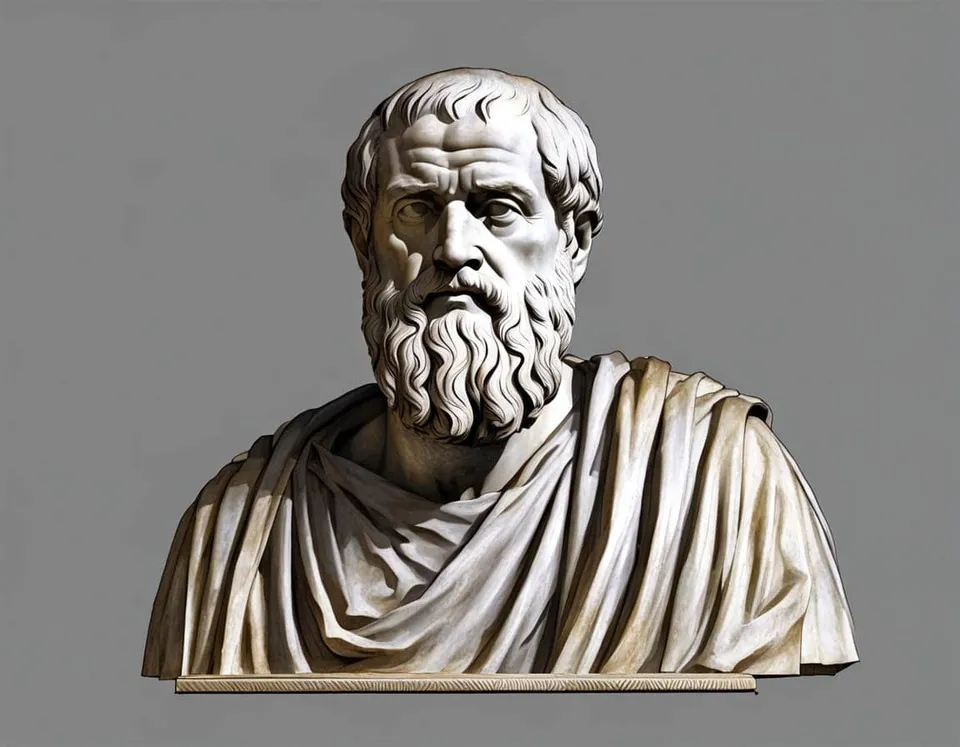
In short. Introduction Plato’s account of Atlantis in Timaeus and Critias presents a vision.
Introduction
Plato’s account of Atlantis in Timaeus and Critias presents a vision of an advanced civilization whose downfall serves as a moral and political lesson. Over centuries, this myth has influenced utopian and dystopian literature, particularly in science fiction, where speculative worlds explore themes of ideal societies, technological advancements, and their inevitable challenges. This article examines the parallels between Plato’s Atlantis and modern utopian literature, highlighting its impact on sci-fi worldbuilding.
Atlantis as an Archetype of Utopia
In Critias, Atlantis is depicted as a powerful and prosperous society, embodying both technological advancement and moral decay. Plato’s narrative establishes a dual perspective—Atlantis as a model of utopian potential and a warning against hubris. This duality has inspired sci-fi writers to craft civilizations that grapple with the tension between progress and ethical responsibility, reflecting the fragile balance of utopian ideals.
Sci-Fi Worlds and the Legacy of Atlantis
Modern science fiction frequently echoes Plato’s Atlantis by envisioning lost or advanced civilizations facing existential threats. Works such as H.G. Wells’ The Time Machine, Aldous Huxley’s Brave New World, and Ursula K. Le Guin’s The Dispossessed reflect the utopian and dystopian dimensions of Atlantis. These stories explore how societal perfection can lead to unforeseen consequences, mirroring Plato’s cautionary tale.
The Ethics of Utopia and Technological Progress
A key theme in both Plato’s Atlantis and sci-fi worldbuilding is the ethical implications of progress. While technological and social advancements promise utopian futures, they also introduce moral dilemmas. Science fiction narratives often question whether human nature is capable of sustaining an ideal society, much like Plato’s portrayal of Atlantis’ ultimate downfall.
Contemporary Relevance
The Atlantis myth continues to shape discussions on political philosophy, sustainability, and speculative futures. In an era of rapid technological change, sci-fi literature provides a framework for examining potential utopian and dystopian outcomes. Understanding Plato’s vision allows contemporary readers to critically engage with modern narratives that grapple with similar philosophical concerns.
Plato’s Atlantis serves as a foundational myth that continues to inspire science fiction worldbuilding and utopian literature. By exploring themes of idealism, hubris, and societal collapse, modern sci-fi engages with the same philosophical tensions that Plato introduced. This enduring dialogue underscores the relevance of Atlantis in contemporary explorations of progress, ethics, and the human condition.
Keep reading