Plato’s Statesman: The Art of Governance in Complex Societies
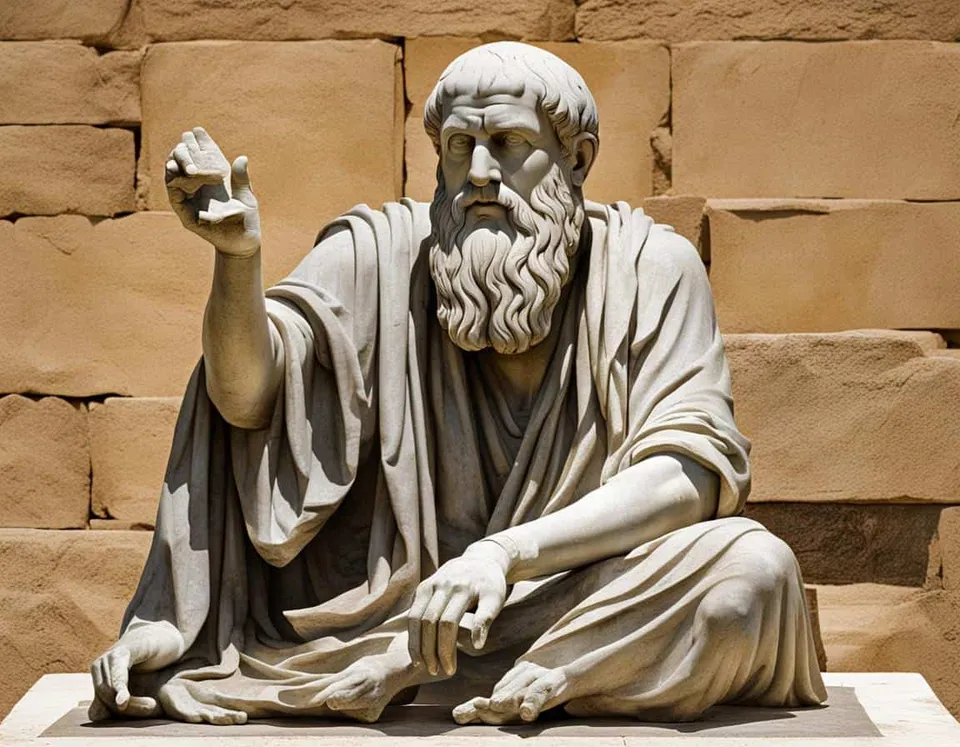
In short. Introduction Plato’s Statesman explores the nature of governance and the qualities required for effective leadership in a complex society.
Introduction
Plato’s Statesman explores the nature of governance and the qualities required for effective leadership in a complex society. Unlike The Republic, which emphasizes the philosopher-king as the ideal ruler, Statesman presents a more pragmatic approach, recognizing the challenges of ruling diverse populations. This article examines the central themes of Statesman, the role of political expertise, and its implications for modern governance.
The Role of the Statesman
In Statesman, Plato argues that true political leadership requires more than just adherence to laws; it demands wisdom and adaptability. The statesman is likened to a skilled weaver who harmonizes different social elements to create a stable and just society. This metaphor highlights the necessity of balancing rigidity with flexibility in governance, ensuring that policies serve the common good rather than personal interests.
Governance Beyond Laws
One of the dialogue’s key arguments is that laws, while essential, cannot account for every situation. Plato suggests that a wise ruler must possess the ability to adjust and interpret laws based on the needs of the people. This view contrasts with legalistic approaches that prioritize strict adherence to rules over nuanced decision-making. The Statesman thus introduces a model of governance that values expertise and judgment over mere rule-following.
Implications for Modern Leadership
Plato’s insights into governance remain relevant in contemporary political theory. The idea that leadership requires more than rigid rule enforcement resonates with discussions on executive discretion, crisis management, and ethical governance. Modern leaders, like Plato’s statesman, must navigate complex social landscapes, balancing tradition with necessary reforms.
Plato’s Statesman provides a compelling vision of governance that prioritizes wisdom, adaptability, and ethical responsibility. By portraying the ruler as a weaver of society, Plato underscores the need for leaders who can integrate diverse perspectives while maintaining stability. This dialogue continues to offer valuable lessons for political philosophy and practical leadership in today’s dynamic societies.
Keep reading