Plato’s Gorgias: Rhetoric, Power, and Moral Responsibility
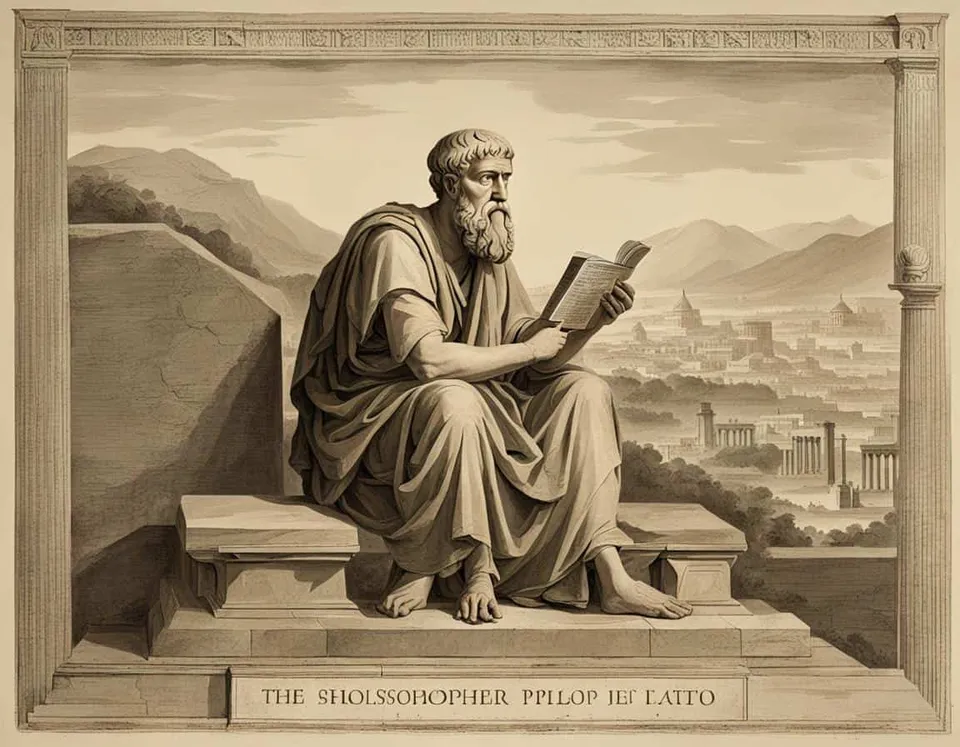
In short. Introduction Plato’s Gorgias critically examines the role of rhetoric in public discourse.
Introduction
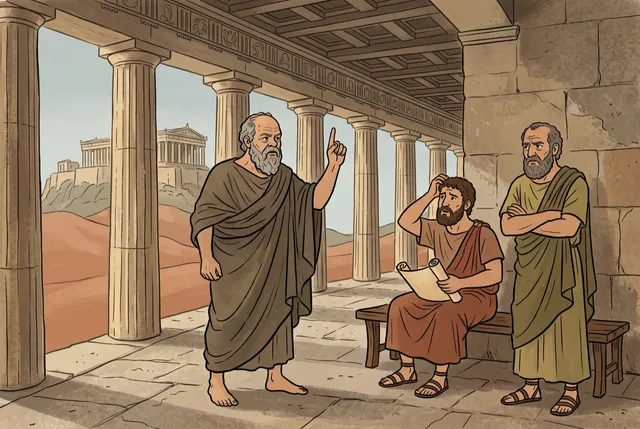
Plato’s Gorgias critically examines the role of rhetoric in public discourse, questioning whether persuasive speech serves truth or merely manipulates opinion. Through Socrates’ debates with Gorgias, Polus, and Callicles, the dialogue explores the relationship between rhetoric, power, and moral responsibility. This article analyzes the philosophical themes in Gorgias, the ethical dimensions of persuasion, and its relevance in contemporary discussions on political discourse and leadership.
The Nature and Purpose of Rhetoric
In Gorgias, Socrates challenges the claim that rhetoric is a true art, arguing instead that it is a mere knack for persuasion without a foundation in genuine knowledge. He distinguishes rhetoric from philosophy, asserting that the former seeks to gratify audiences rather than lead them to truth. This critique raises questions about the ethical responsibilities of speakers and the impact of persuasive language on democratic decision-making.
Rhetoric, Power, and Ethical Responsibility
The dialogue also explores the relationship between rhetoric and power. Polus and Callicles defend the idea that might makes right, asserting that those with rhetorical skill can dominate others. Socrates counters by arguing that true power comes from self-discipline and moral virtue rather than manipulation. This debate echoes modern concerns about political propaganda, media influence, and the ethical obligations of leaders who wield persuasive speech.
Contemporary Relevance
Plato’s Gorgias remains relevant in analyzing contemporary issues related to media, politics, and ethical leadership. In an age of misinformation and spin, the dialogue challenges readers to consider the consequences of rhetoric divorced from truth. The contrast between Socratic dialectic and manipulative persuasion offers insights into the ongoing struggle for integrity in public discourse.
Plato’s Gorgias serves as a powerful critique of rhetoric’s role in shaping power and ethical responsibility. By distinguishing between persuasion and truth-seeking, the dialogue encourages a reflection on the moral obligations of speakers and leaders. The issues it raises remain pressing in contemporary debates on political ethics, media responsibility, and the role of philosophy in public life.
Keep reading