Plato’s Ion: Inspiration, Artistry, and the Divine Madness of Poets
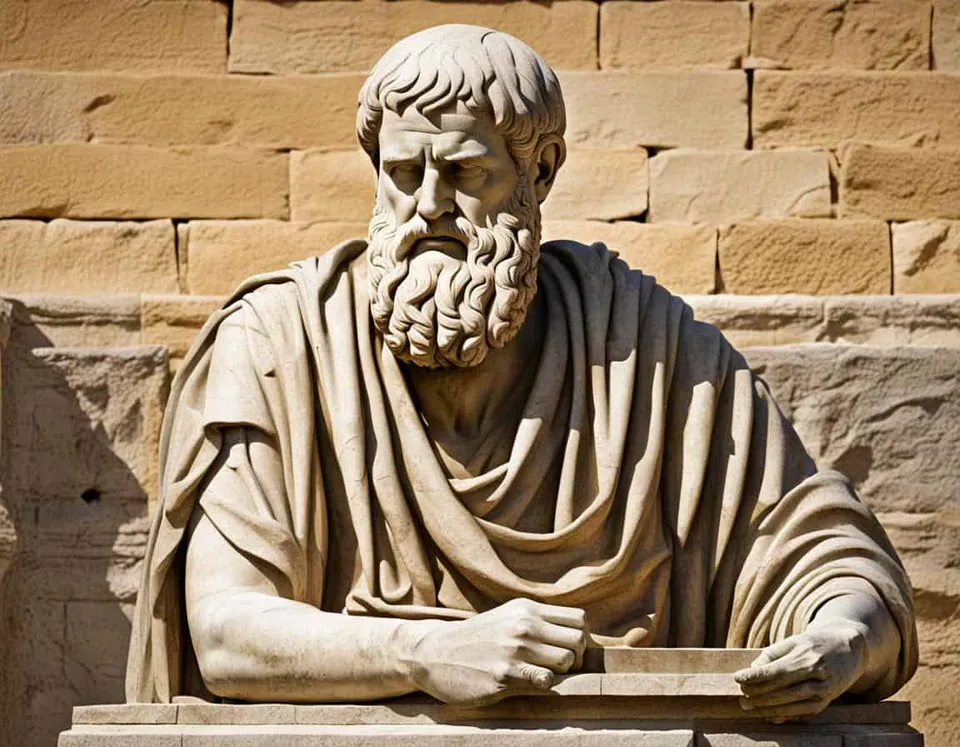
In short. Introduction Plato’s Ion explores the nature of poetic inspiration and the role of artistry in human expression.
Introduction
Plato’s Ion explores the nature of poetic inspiration and the role of artistry in human expression. In this dialogue, Socrates engages with the rhapsode Ion, questioning whether poetic skill arises from genuine knowledge or divine inspiration. This discussion raises fundamental questions about creativity, artistic genius, and the connection between poetry and truth. This article examines the themes of Ion, the concept of divine madness, and its implications for the philosophy of art.
The Role of Inspiration in Ion
Socrates argues that poets and rhapsodes do not possess technical knowledge but are instead inspired by the divine. He likens them to magnetic rings, transmitting inspiration from the gods to the audience without true understanding. This view challenges the idea that artistic skill results from rational expertise, suggesting instead that creativity stems from an external, supernatural force.
Artistry and the Limits of Knowledge
Plato’s critique of poetry in Ion aligns with his broader philosophical skepticism about art. He suggests that poets, like rhapsodes, do not create through intellectual mastery but through an irrational, unconscious process. This raises questions about the value of artistic expression—whether it conveys genuine truth or merely evokes emotional responses without deeper understanding.
Divine Madness and the Power of Art
The concept of divine madness plays a central role in Ion. Plato describes poetic inspiration as a form of divine possession, where artists become vessels for transcendent truths. This notion reappears in Phaedrus, where different types of divine madness—including prophetic and philosophical—are seen as essential to human creativity. This perspective highlights the tension between reason and inspiration in Plato’s thought.
Contemporary Relevance
Plato’s exploration of poetic inspiration continues to influence discussions on artistic creativity and the philosophy of art. Modern debates on the nature of artistic genius, the subconscious mind, and the role of intuition in creativity reflect similar tensions between rational skill and spontaneous insight. Understanding Ion provides valuable perspectives on the enduring mystery of artistic expression.
Plato’s Ion presents a compelling discussion on the origins of artistic talent, questioning whether poetry arises from knowledge or divine inspiration. By framing poetic ability as a form of divine madness, the dialogue challenges conventional views on artistic expertise. This exploration of creativity and inspiration remains relevant in contemporary debates on art, knowledge, and the human experience of beauty.
Keep reading