The Role of Play in Plato’s Educational Philosophy
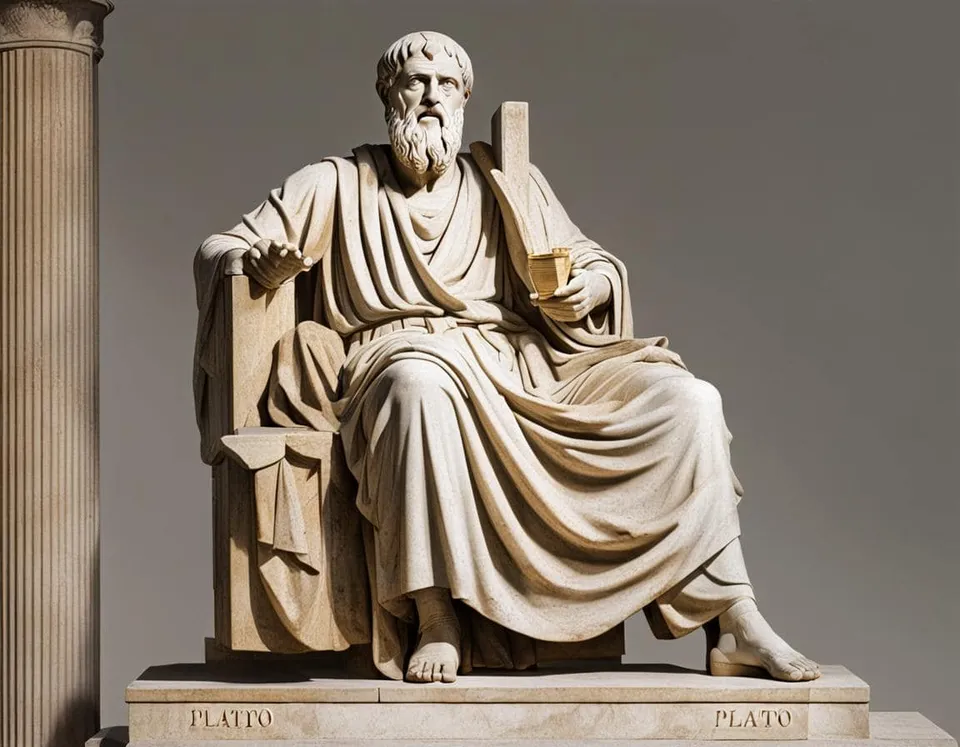
In short. Introduction Plato’s educational philosophy emphasizes the importance of play in shaping intellectual and moral development.
Introduction
Plato’s educational philosophy emphasizes the importance of play in shaping intellectual and moral development. In The Republic and Laws, he argues that structured play fosters critical thinking, social harmony, and the love of learning. This article explores the role of play in Plato’s educational model, its connection to his broader philosophical principles, and its relevance to contemporary education.
Play as a Foundation for Learning
Plato believed that play serves as an essential precursor to formal education. In The Republic, he advocates for playful activities in early childhood to encourage curiosity and intellectual engagement. He argues that learning should be an enjoyable and voluntary process, as forced study leads to resistance rather than genuine understanding. This perspective aligns with modern theories of active learning and developmental psychology.
The Ethical and Social Dimensions of Play
In Laws, Plato extends his discussion of play to include its role in moral and civic education. He suggests that well-regulated games teach children discipline, cooperation, and respect for social order. By participating in structured play, individuals internalize ethical principles that prepare them for responsible citizenship. This insight anticipates contemporary discussions on the social benefits of play-based education.
Play and the Cultivation of Philosophical Inquiry
Beyond childhood education, Plato sees play as an instrument for philosophical exploration. He likens philosophical discourse to a form of intellectual play, where individuals test ideas, challenge assumptions, and refine their understanding through dialogue. This approach fosters a spirit of inquiry that is central to Plato’s vision of lifelong learning and self-examination.
Contemporary Relevance
Plato’s insights on play remain relevant in modern educational practices. Play-based learning methodologies, such as Montessori and experiential education, emphasize discovery, creativity, and engagement—principles that align with his vision of meaningful education. Moreover, the integration of gamification in contemporary pedagogy reflects Plato’s idea that learning should be an enjoyable and dynamic process.
Plato’s educational philosophy underscores the significance of play as a foundational element in intellectual and moral development. By promoting curiosity, ethical responsibility, and philosophical inquiry, structured play enriches the learning experience. His vision continues to influence educational theory, highlighting the enduring value of play in fostering a love for wisdom and lifelong learning.
Keep reading