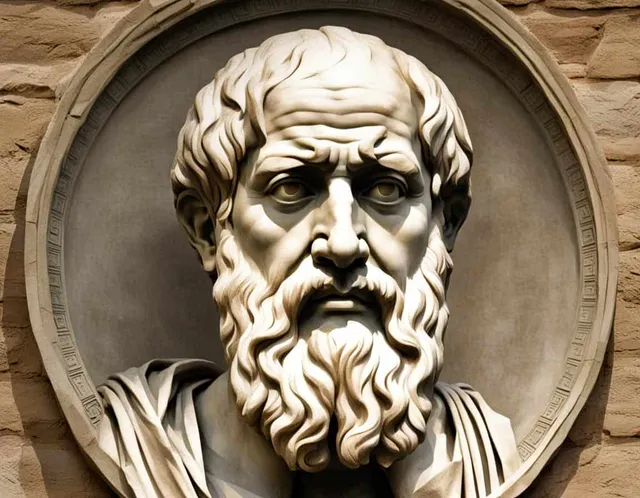
Plato’s “Philosopher-King” in Contemporary Leadership Theory
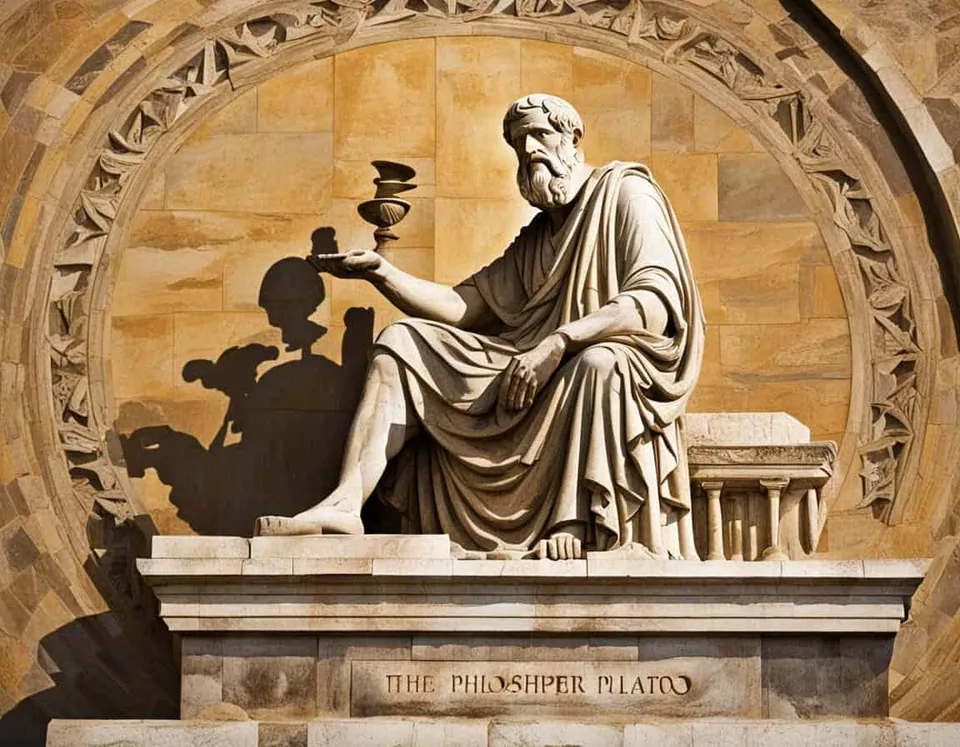
In short. Introduction Plato’s concept of the “Philosopher-King,” introduced in The Republic.
Introduction
Plato’s concept of the “Philosopher-King,” introduced in The Republic, envisions a ruler guided by wisdom, rationality, and a deep understanding of justice. This ideal leader prioritizes the common good over personal ambition and rules based on knowledge rather than mere opinion. In contemporary leadership theory, the philosopher-king model offers insights into ethical governance, transformational leadership, and the role of intellectual rigor in decision-making. This article explores Plato’s philosopher-king in relation to modern leadership principles and its implications for contemporary governance.
The Philosopher-King and Ethical Leadership
Plato argues that only those who grasp the Form of the Good—the highest form of knowledge—are fit to govern. This aligns with modern ethical leadership theories, which emphasize integrity, moral reasoning, and the pursuit of justice. Leaders who embody these principles, such as Nelson Mandela and Abraham Lincoln, demonstrate how philosophical wisdom can translate into practical governance. In contrast, leaders who lack moral insight may succumb to corruption and self-interest, reinforcing Plato’s warning against rule by the ignorant or power-hungry.
Rational Governance and Transformational Leadership
Plato’s philosopher-king embodies transformational leadership, a model that focuses on inspiring change through vision, intellect, and ethical responsibility. Unlike transactional leaders, who operate through rewards and punishments, transformational leaders motivate followers through ideals and principles. Plato’s emphasis on rational decision-making and intellectual development resonates with contemporary calls for evidence-based governance and policymaking.
Challenges and Limitations in Modern Contexts
Despite its appeal, the philosopher-king model faces challenges in democratic societies. Plato’s ideal ruler assumes a hierarchical structure where wisdom is concentrated in a select few, raising concerns about elitism and the exclusion of diverse perspectives. Modern leadership theory advocates for participatory governance, where collective intelligence and shared decision-making play a crucial role. While wisdom remains essential, contemporary leadership requires adaptability, collaboration, and responsiveness to public needs.
Contemporary Relevance
Plato’s philosopher-king remains a compelling model for ethical and intellectual leadership. From corporate boardrooms to political institutions, the demand for knowledgeable and morally grounded leaders is ever-present. While democratic values challenge the feasibility of a singular, enlightened ruler, the principles underlying the philosopher-king—wisdom, justice, and ethical governance—continue to inspire leadership ideals today.
Plato’s vision of the philosopher-king provides a thought-provoking framework for understanding leadership in contemporary contexts. Although modern governance emphasizes democracy and inclusivity, the core principles of wisdom-driven leadership remain relevant. By integrating philosophical reflection with practical decision-making, contemporary leaders can strive toward Plato’s ideal in ways that align with modern ethical and democratic values.
Keep reading